Music & Early Years
Unlocking non-verbal communication, rhythm, and emotional expression through acoustic sound, song, and playful echoing.
The Power of Early Sound & Rhythm
Music is a fundamental human language. Long before birth, babies hear and respond to the comforting rhythm of their mother’s heartbeat and voice. In early childhood, musical interaction provides a vital foundation for:
- Communication & Literacy: Phonetic awareness, pitch changes, and the rhythm of spoken language.
- Cognitive Pathways: Pattern recognition, memory retention, and mathematical sequencing.
- Emotional Harmony: Calming sensory overstimulation and fostering deep emotional security.
- Physical Coordination: Fine and gross motor control through clapping, percussion, and dancing.
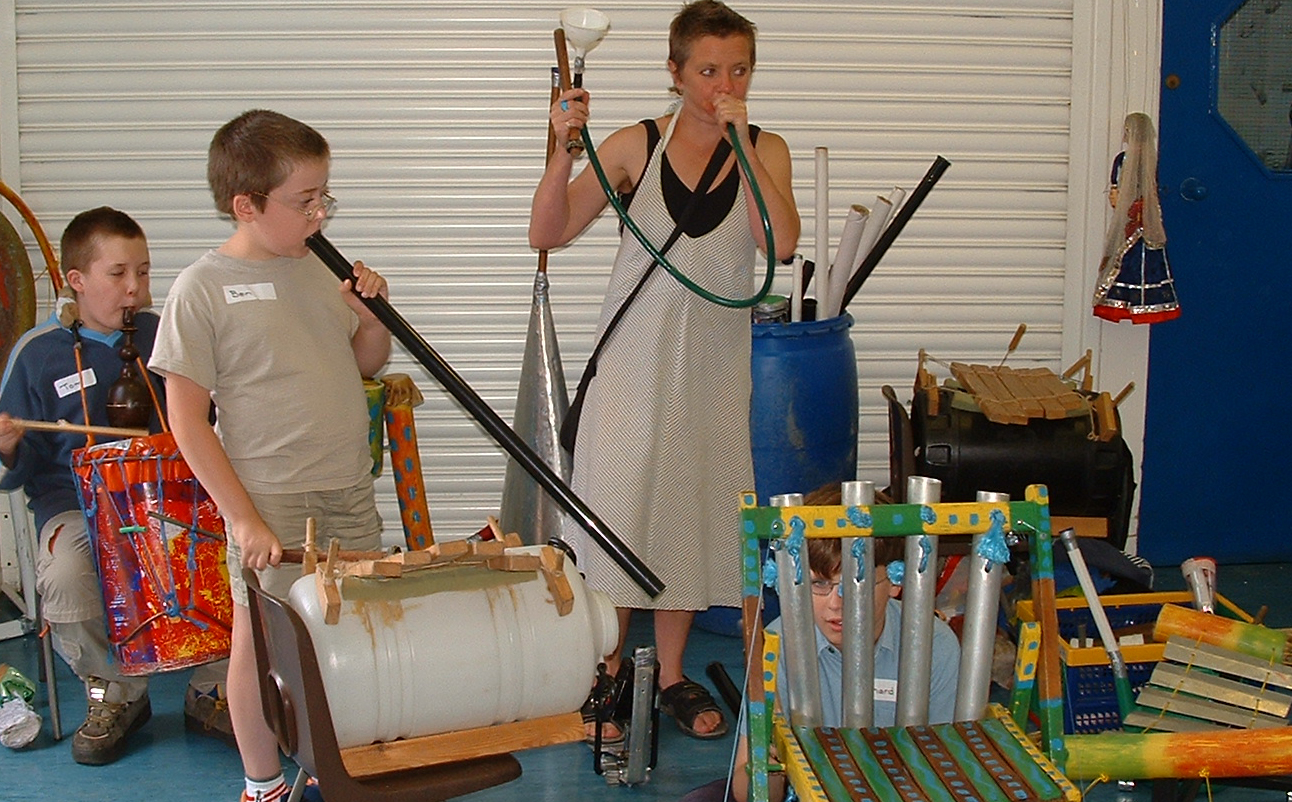
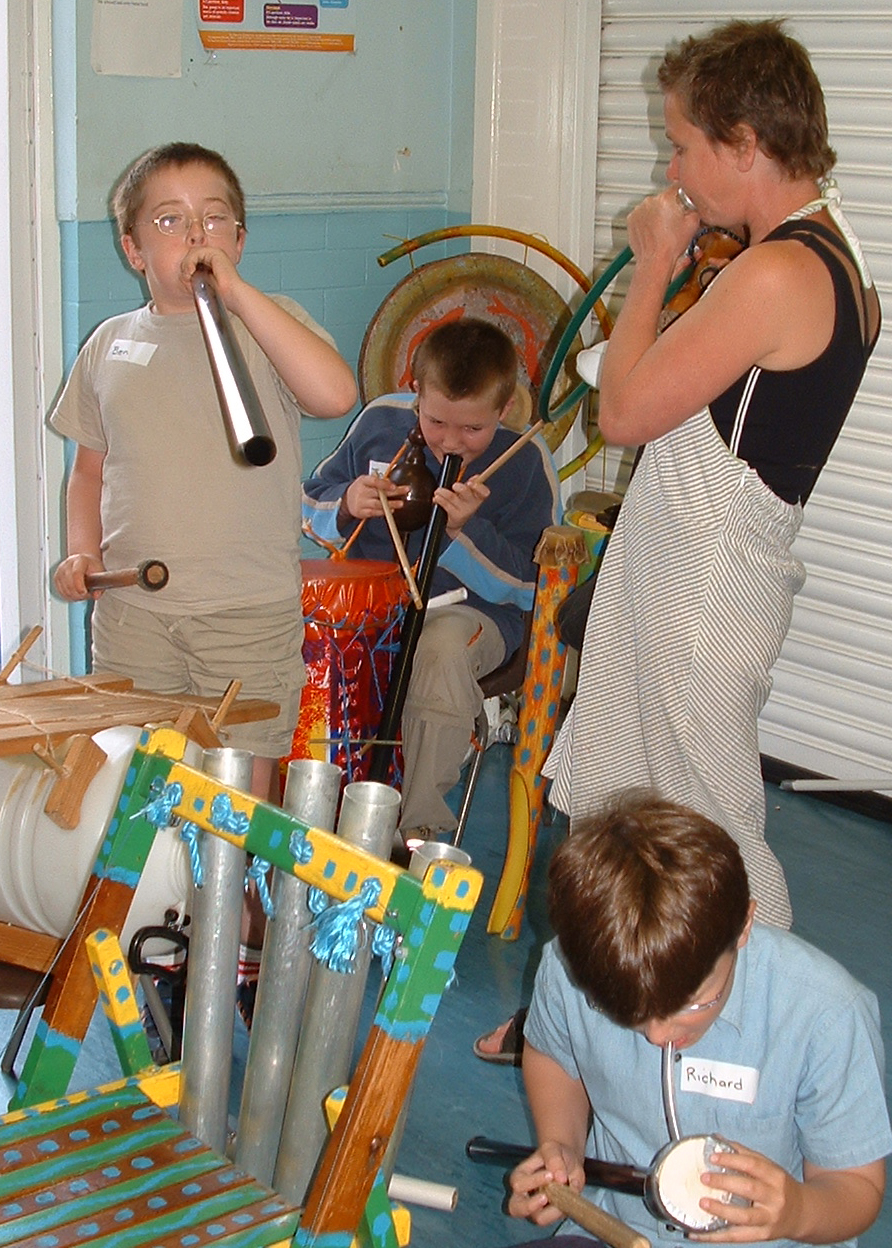
Our sessions provide rich acoustic experiences — avoiding recorded noise in favour of warm human voices, gentle woodblocks, chime bars, and tactile hand instruments that children can explore safely.
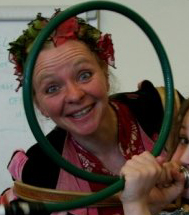
Sian Phillips
Early Years Musician & Educator
BA (Hons) Music, Graduate Diploma in Education with extensive experience across More Music Morecambe, Lancashire, Leeds, and York Music Services.
Vocal Games & Lullabies
Exploring pitch, dynamics, whispered secrets, and soothing lullabies that establish positive parent-child attachment.
Tactile Percussion
Hands-on play with triangle bells, rainsticks, maracas, and seed shakers, discovering natural sounds and textures.
Storytelling Soundscapes
Children use instruments to score dramatic moments in our puppet sessions — making wind rustle, thunder rumble, or turnip roots snap.