“Mrs. Teapot’s Transformational Object Play”
Encouraging children and families to see the everyday world anew, blending ordinary objects with extraordinary behaviours and personalities.
“Theatre is transformation. It is a vision created by an artist transforming himself or a puppet or even an object into an imagined character.”
— Henryk Jurkowski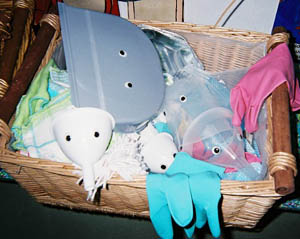
The Transformational Philosophy
Puppetry in early years education has traditionally focused on craft techniques. In DNA’s creative processes, we use everyday objects and tactile materials to stimulate open creative play and extend active learning developed through heuristic play and treasure baskets.
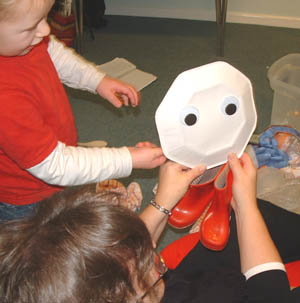
In this theatre play session, children are encouraged to look at everyday objects in a completely fresh way — mixing their ordinary functional purpose with extraordinary behaviours, voices, and personalities. Storytelling, nursery rhymes, and nonsense verse emerge naturally as play transforms into heightened creative learning.
This session offers particularly rich multi-generational engagement, bridging connections between parents, grandparents, and young children.
Connecting with EYFS Guidelines
“Creativity is about taking risks and making connections and is strongly linked to play.” — EYFS Guidelines
When a child witnesses the genuine joy and curiosity an adult facilitator brings to playing with an everyday object and joins in, an exciting transformational leap takes place. An emotional connection forms an intimate imaginative journey together, weaving a rich series of symbols and language that accelerates cognitive and social growth.
Session Details
Recommended Age: 2–5 years
Duration: 1 hour
Season: Winter or cosy indoor seasonal settings
Safety & Risk Assessment Information (Click to view)
Risk Assessment Summary for Mrs. Teapot Play Session
Certified by Rachel Riggs (Creative Director, Imaginary Leaps).
| Hazard | Potential Harm | To Whom | Control Measures | Rating |
|---|---|---|---|---|
| Handling hard household items | Minor bumps/bruises | Children & adults | Everyday household objects vetted to ensure smooth edges; activity supervised by adults. | Low (4) |
| Bumping into each other | Bumps and bruises | Children | Space kept clear and uncluttered; gentle movement facilitated. | Low (4) |